Why We’ve Been Watching
Cobb County’s school board and superintendent oversee nearly $2 billion of our tax dollars every year. For too long, the state laws meant to govern how they do that have been full of loopholes big enough for Cobb to drive a school bus through, making real oversight nearly impossible.
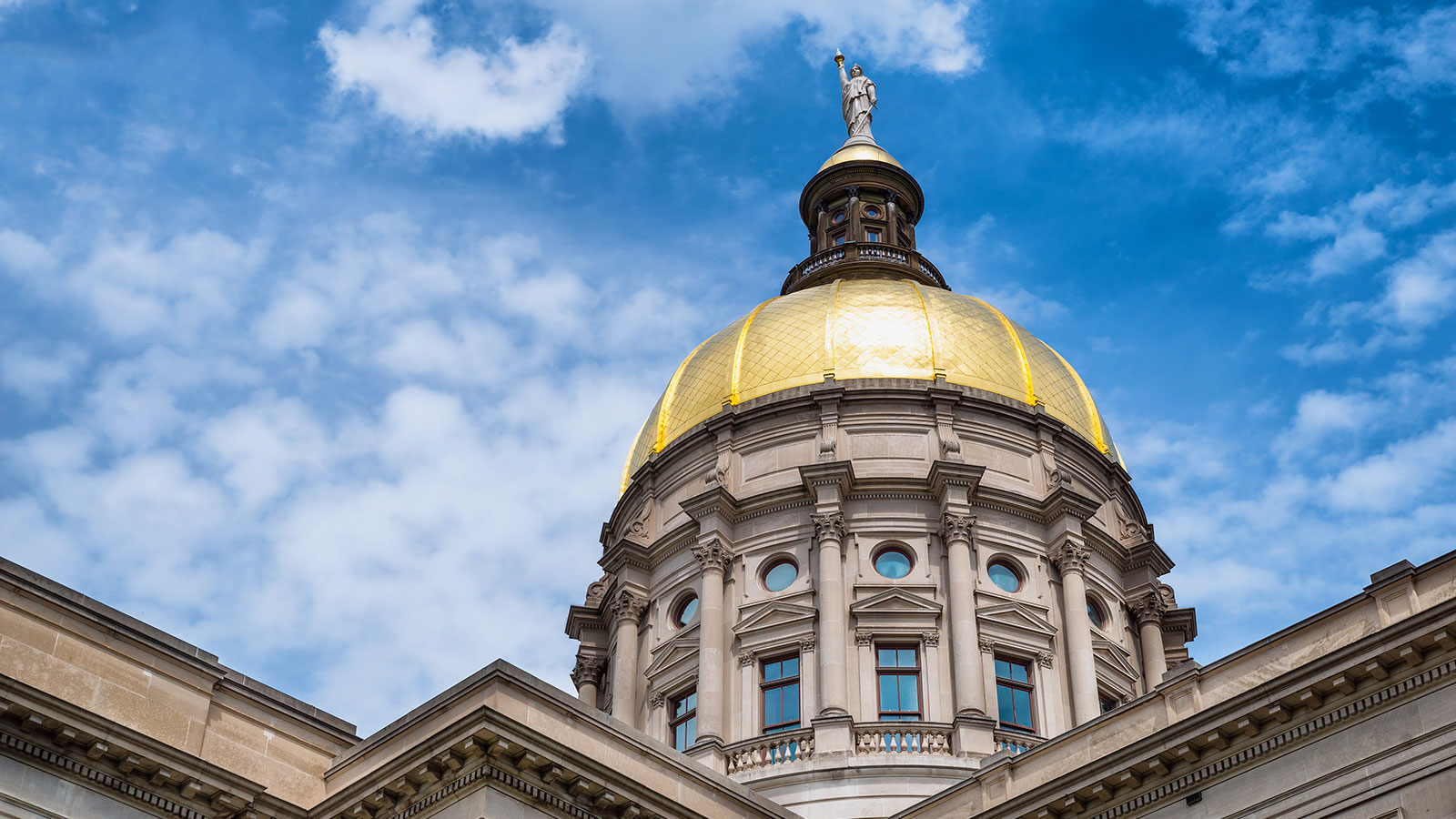
So we watch. We read the budgets. We file open records requests. We show up to board meetings. And this legislative session, we went to the Gold Dome with specific asks.
What We Asked For
Our requests were not abstract. They were targeted at real accountability gaps we have documented firsthand in Cobb County — gaps that exist in districts across Georgia.
Loophole #1: Same-Day Budget Hearings
Cobb County School District holds a “budget hearing” and votes on that same budget the same day. We have watched it happen. By the time a taxpayer finishes speaking, the decision is effectively already made. We asked legislators to require a real gap between when a budget hearing is held and when a vote can be taken. Days, not hours.
Loophole #2: Superintendent Evaluations With No Standards or Accountability
In Cobb County, the superintendent’s evaluation process has no required written standards, no measurable metrics, and no public accountability. The board renews his multimillion-dollar contract based on nothing more than a conversation in executive session- even when academic achievement declined.
We asked legislators to require evaluations in writing, tied to measurable performance in three areas: fiscal management, academic achievement, and stakeholder engagement.
Bottom line: If you are handing someone a contract worth millions of taxpayer dollars, you should be able to show your work.
Loophole #3: Public Comment That is Allowed to be Hidden from the Public
Cobb County School Board voted to stop broadcasting the public comment period of its meetings. Parents and staff come to the podium to talk about unsafe buses, special education cuts, and millions wasted on bad and unnecessary technology and projects but only the taxpayers who can attend in person ever hear any of it.
When elected officials turn off the cameras during public comment, you have to wonder what they don’t want you to see.
We asked legislators to make live streaming and archiving of public comment a legal requirement, not something a board can easily vote away when they don’t like what they hear.
What SB 472 Actually Does
SB 472 passed both chambers and is heading to Governor Kemp’s desk. None of our three specific asks made it into the final bill. But here is what did pass — and why it still matters.
Superintendent Contracts Are Now Capped
Under the new law, superintendent contracts cannot exceed 3 years. If a district is designated “high-risk” by the state auditor, that contract cannot be extended beyond 12 months. And any superintendent contract entered or renewed after July 1, 2026, must include a clause making financial mismanagement or misconduct an automatic act of default, giving the board the right to terminate for cause.
That structural protection did not exist before. It does not fix the evaluation problems we have raised, but it limits how long a financially reckless superintendent can stay locked into a guaranteed contract on your dime.
The State Auditor Now Has a Legal Duty to Watch Every Georgia School District
For the first time, the Georgia Department of Audits and Accounts is required by law to build a progressive monitoring system for every school district in Georgia, including Cobb County. The program must be operational by July 1, 2026. It will range from technical assistance at the low end to mandatory strict compliance interventions at the high end.
Before this bill, no statewide oversight framework like this existed in state law. Now there will be a standardized, state-level picture of how every Georgia district is managing public money. That is information Watching the Funds-Cobb will use.
The State Auditor Must Investigate When Evidence Exists
The law now explicitly requires the state auditor to investigate any school system when facts, records, or information suggest mismanagement or misconduct. This is a legal duty, not a discretionary option. Bring documented evidence to the state auditor’s attention, and they are legally obligated to act.
Why We’re Still Calling This a Win
SB 472 is not the bill we would have written. But accountability legislation is built in layers, and every layer matters.
The superintendent contract cap and the statewide audit monitoring system are real, structural improvements that take effect in Cobb County on July 1, 2026. They do not replace the transparency and engagement reforms we asked for. They lay the foundation for the next fight.
Our three asks remain on our agenda. Ending same-day budget votes. Mandating written superintendent evaluations with measurable metrics. Requiring live streamed and archived public comment. We will be back in front of legislators. And we will keep showing up at Cobb County board meetings until those protections are law.
We have been watching for years.
Now the state has to watch, too.
We see you. And we are still watching.
Heather Tolley-Bauer Founder, Watching the Funds-Cobb
Questions or want to get involved? Follow us on Facebook or visit watchingthefundscobb.com. Watching the Funds-Cobb is a bipartisan citizens watchdog group focused on transparency and accountability in Cobb County School District spending.